Mayo Clinic Q&A: What are prebiotics and probiotics?

Mayo Clinic Q&A: What are Prebiotics and Probiotics?

DEAR MAYO CLINIC: I’m confused about prebiotics and probiotics. Could you help me understand what they are and how they could benefit my health?

ANSWER: You’re not alone in wondering about the health benefits of prebiotics and probiotics. Even the names can be confusing.
The human gastrointestinal tract houses roughly 100 trillion microorganisms (good bacteria). These microorganisms make up what’s called the gut microbiome.

Probiotics: Promoting digestion, benefiting health

Let’s start with probiotics. Probiotics are living organisms, also known as microbes. They’re primarily bacteria and yeast whose main role is to aid digestion and improve overall health. Probiotics help strengthen the gut barrier, aid in the absorption of nutrients, and replace less beneficial or harmful microbes.

Research shows that probiotics can treat and even prevent conditions such as gastrointestinal (GI) tract infections, irritable bowel syndrome (IBS), lactose intolerance, allergies, cystic fibrosis, urogenital infections, diarrhea, high cholesterol, eczema and certain cancers.

Probiotics also may support dental health by treating and preventing tooth decay, periodontal disease and bad breath.

In addition to aiding digestion, another essential role of probiotics is promoting a healthy immune system and preventing chronic diseases.

Some examples of probiotics include fermented foods, such as certain yogurts, many cheeses, pickled vegetables, apple cider vinegar, fermented teas and sauerkraut. Probiotic supplements also are available in pill or powder form.

Prebiotics: Feeding probiotics

Prebiotics are the food for probiotics. They help feed the probiotics through fermentation and metabolization, which are beneficial to the gut. These microorganisms contribute to a variety of processes, including cell energy, immune function, hormone regulation, anti-inflammatory responses and bowel management.

Research indicates that high prebiotic consumption may enhance our immune system, help regulate blood sugar levels, reduce the risk of colorectal cancer and increase calcium absorption. When good bacteria (probiotics) are fed an abundance of healthful food (prebiotics), our bodies will be healthier.

Prebiotics are found in foods that contain:
  • Dietary fibers, which the body doesn’t fully digest.
  • Resistant starches, which are a form of carbohydrate that isn’t digested in the small intestine. Instead, it ferments in the large intestine.
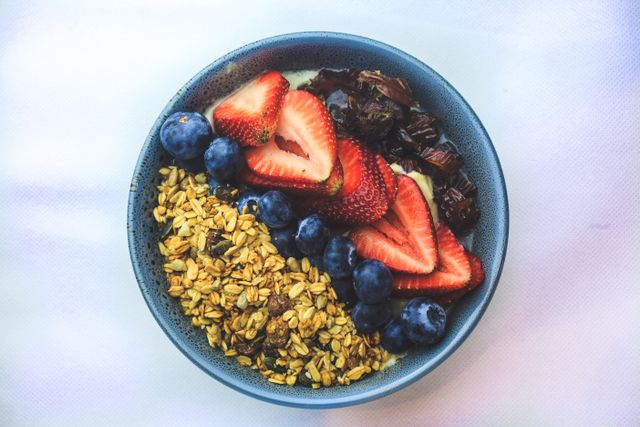
The most common prebiotics are inulin, oligosaccharides and pectin, which are found in fibrous foods. Foods containing prebiotics include most fruits and vegetables — especially green bananas, asparagus and onions — as well as garlic, nuts, seeds, oats, barley, potatoes, and legumes such as soybeans, dried beans, peas and lentils.

Adding probiotics and prebiotics to your diet

Food composition changes with cooking, so to get the most benefit from prebiotics and probiotics, it’s important to pay attention to cooking methods. For example, boiling potatoes is better than baking them. When potatoes are boiled and then chilled, they develop a white starchy film, which is the most beneficial part. Serving beans and legumes hot increases their starch content, which is good for your gut.

Eating most fruits and vegetables while they are fresh and raw will provide healthful prebiotics.

Researchers suggest gradually introducing these foods into your diet. Adding a lot of new foods containing prebiotics and probiotics may produce gas, cause bloating and lead to gut discomfort.


Contributor: Patty Miller – Mayo Clinic

The Best and Worst Breads at the Grocery Store

The Best and Worst Breads at the Grocery Store

Claremont Colonic Center
The overwhelming amount of options on bread shelves at the supermarket can make it hard to separate healthy bread from unhealthy bread. The healthiest breads are made with whole grains, high in fiber, low in added sugar, and free from unnecessary additives. But with so many brands claiming to be “whole grain,” or “heart healthy”, which ones actually stand up to their claims?
Why Bread Deserves a Place in a Healthy Diet

Carbohydrates are an essential macronutrient and your body’s primary energy source. The popularity of Keto diets in recent years has caused confusion around which carbs are good for you. Some diets have lumped whole grains in with refined carbs and encourage people to avoid all carbs in order to burn more fat. While that can work in certain diets, without carbohydrates you’re likely to have lower energy levels and trouble concentrating. The problem isn’t with carbohydrates themselves, but the type of carbs you eat.

Refined carbs are quickly digested and absorbed, leading to blood sugar spikes and energy crashes. These carbs are commonly found in processed foods, and should be limited in most diets.

Complex carbohydrates digest more slowly. This results in a steadier release of energy, longer-lasting fullness, and better blood sugar control. You’ll find these in whole-grain breads, and they are a staple of the Mediterranean diet.

According to health.com, “People who follow diets high in complex carbs rich in fiber tend to have lower rates of a number of chronic diseases including heart disease and colon cancer.”

In addition to complex carbs, healthy breads provide dietary fiber, supporting your digestive health. They also contain key nutrients like iron, magnesium, zinc, and B vitamins that are often stripped away in refined versions.

What Makes Some Bread Unhealthy?

Many breads are stripped of their nutritional value during processing. White bread, for example, is made with refined flour that has had the bran and germ removed, reducing the nutritional value.

Even some wheat breads are primarily made from white flour, with just a touch of whole grain added for color. Avoid wheat breads that have white flour as a top ingredient. These breads are still devoid of the nutrients that whole-grain breads provide.

Long ingredient lists filled with preservatives, added sugars, and dough conditioners have a longer shelf life than other breads, but lack nutritional value.

When choosing a bread at the store, look for whole-grain as the first ingredient, and avoid breads that have an overly long ingredient list, since those are typically filled with additives and preservatives.

The Healthiest Types of Bread
Whole-Grain Bread


Whole-grain bread is made from grains that include all three parts: the bran, germ, and endosperm. Enriched flour removes the bran and germ, and replaces their nutrients using longer-lasting chemicals like riboflavin and niacin. This preserves fiber, vitamins, and minerals. Whole grains help lower cholesterol, regulate blood sugar, and support digestion. They’re also rich in antioxidants and plant compounds that promote long-term health.

What to look for: Check that the label says “100% whole grain” or “100% whole wheat.” Look for at least 3 grams of fiber per slice and avoid terms like “wheat flour” or “enriched flour,” which indicate refined grains.

Sprouted Bread

Sprouted bread is made from whole grains that have been soaked and allowed to sprout before baking. Sprouting can increase fiber content and make nutrients more digestible. According to Dr. Axe, “the sprouting process produces more nutrients, and these breads often contain several types of grains and legumes that provide macronutrients and micronutrients”. Sprouted breads contain many of the same nutrients as whole-grain breads, but in different proportions.

Sprouting makes nutrients like B vitamins, iron, and magnesium more bioavailable. Some studies have indicated that sprouted seeds allow your body to digest more nutrients than typical whole-grains. It can also reduce the bread’s glycemic index and improve gut health.

What to look for: Look for breads labeled “Ezekiel”. Look for “sprouted whole grains” as the first ingredient and minimal added sugar. These breads are usually found in the refrigerated or freezer section of the supermarket, since they do not last long on the shelf, due to their lack of preservatives.

Seeded Bread

Seeded bread includes seeds such as flax, sunflower, sesame, or chia, mixed into the dough or coated on the crust. While seeded breads have more calories than whole grain breads, they offer more healthy fats and a high amount of fiber.

What to look for: Choose breads where seeds appear high on the ingredient list. Some seeded breads sprinkle seeds on top, rather than mixing it with the dough. Choose a whole-grain seeded bread for maximum effect.

Sourdough Bread

Sourdough bread is made from a starter that is fermented and replaces the yeast in the baking process. This gives sourdough a distinct flavor. But that fermentation process does more than just add a chewy texture. According to the National Institute of Health, there is evidence that fermentation “improves micronutrient bioaccessibility, notably for minerals such as iron, calcium, magnesium, or zinc”. It also supports gut health by producing beneficial acids and compounds during fermentation.

What to look for: True sourdough should list just a few ingredients: flour, water, salt, and a starter. Whole-grain and rye-based sourdoughs will have the most nutritional value.

Gluten-Free Bread

Finding healthy gluten-free bread can be tricky, as they often rely on refined starches that offer few nutrients. Gluten-free breads made with whole grain flours like buckwheat, quinoa, millet, or brown rice can be rich in fiber, antioxidants, and essential minerals. They also provide many of the same benefits as whole-wheat breads, as they contain many of the same nutrients.

What to look for: Choose gluten-free breads made with whole grain flours and look for at least 2 grams of fiber per slice. Avoid brands that are high in added sugars or xanthan gum.

The healthiest breads are those made with whole, recognizable ingredients and as few additives as possible. Before tossing a loaf in your cart, take a moment to scan the ingredient list and nutrition label. You’ll see quickly which brands stand up to scrutiny, and which fill their breads with nutritionless additives.


Contributor: Alternative Daily

6 Signs Your Body Is Desperately Low on B12 — And Why It Matters for Your Memory

6 Signs Your Body Is Desperately Low on B12 — And Why It Matters for Your Memory

If you’ve been feeling more tired than usual lately, or you’ve noticed that you’re forgetting little things — where you put your keys, what you walked into a room for — you might be tempted to chalk it up to “just getting older.” But here’s something worth knowing: for millions of women over 60, those symptoms aren’t simply aging. They’re a warning sign that your body may be running low on one of the most critical nutrients for brain health.
That nutrient is Vitamin B12.

B12 deficiency is remarkably common in women over 60 — and it’s one of the most frequently missed diagnoses. Your body needs B12 to make red blood cells, keep your nervous system functioning properly, and — critically — protect your brain. When levels drop too low, the effects can be wide-ranging and serious.

Here are six signs that your B12 may be dangerously low — and what you can do about it.

1. You’re Forgetting Things More Than Usual

This is perhaps the most important sign to pay attention to. B12 plays a direct role in the production of myelin — the protective sheath that surrounds your nerve cells and keeps signals moving quickly and clearly through your brain.

When B12 is low, myelin production slows. And when that happens, your memory starts to suffer. You might notice you’re struggling to recall names, losing track of conversations, or feeling a persistent “brain fog” that makes it hard to think clearly. The good news? Unlike age-related cognitive decline, B12-related memory problems are often reversible when caught early.

2. You Feel Exhausted No Matter How Much You Sleep

B12 is essential for producing red blood cells, which carry oxygen throughout your body. When your levels drop, your body can’t make enough healthy red blood cells — a condition called megaloblastic anemia. The result is a deep, bone-level fatigue that no amount of rest seems to fix.

If you’re waking up tired, hitting a wall by mid-afternoon, or feeling wiped out after activities that never used to bother you, your B12 levels are worth checking.

3. You Have Tingling or Numbness in Your Hands and Feet

Pins and needles in your extremities — especially when they seem to come and go for no clear reason — can be a neurological signal of B12 deficiency. Because B12 is critical for nerve health, low levels can cause damage to the peripheral nervous system, leading to that uncomfortable tingling sensation.

Don’t dismiss this one. Nerve damage from B12 deficiency can become permanent if left untreated for too long.

4. You’ve Been Feeling Down or More Anxious Than Usual

B12 is involved in producing serotonin and dopamine — the “feel good” chemicals in your brain. When your levels are low, mood can take a real hit. Women with B12 deficiency often experience increased feelings of sadness, irritability, or anxiety.

If you’ve noticed a change in your mood that doesn’t seem tied to anything specific going on in your life, it’s worth asking your doctor to check your B12 levels alongside any other testing.

5. Your Tongue Looks Smooth or Feels Sore

This one surprises a lot of people. A healthy tongue has tiny bumps called papillae on its surface. With severe B12 deficiency, those bumps can disappear, leaving the tongue looking unusually smooth and feeling inflamed or sore — a condition called glossitis.

You might also notice mouth ulcers or a burning sensation. If you’ve been experiencing unexplained mouth discomfort, add this to your list of questions for your next doctor visit.

6. You Feel Unsteady on Your Feet

Balance problems and difficulty walking steadily can be a sign of neurological damage caused by prolonged B12 deficiency. The nerves responsible for coordinating movement can be affected, which is why some people describe feeling wobbly or unsteady, particularly in low-light conditions.

For older women, balance issues also raise fall risk — making this a particularly important symptom to take seriously.

Why Women Over 60 Are Especially at Risk

As we age, the stomach produces less hydrochloric acid — and that acid is what helps your body absorb B12 from the food you eat. This means that even if you’re eating plenty of meat, fish, eggs, and dairy (the main food sources of B12), your body may simply not be absorbing enough of it.

Certain medications also interfere with B12 absorption — including metformin (commonly prescribed for blood sugar) and proton pump inhibitors (for acid reflux). If you take either of these regularly, it’s especially important to have your B12 levels monitored.

What to Do If You Recognize These Signs

First, don’t panic — B12 deficiency is very treatable. Here’s where to start:

  • Talk to your doctor and ask for a simple blood test to check your B12 levels.
  • Ask about supplementation — B12 supplements (especially sublingual forms that dissolve under the tongue) are well-absorbed even when stomach acid is low.
  • In more severe cases, your doctor may recommend B12 injections that bypass the digestive system entirely.
  • Focus on B12-rich foods: salmon, tuna, beef, eggs, and fortified cereals.
The bottom line: many of the symptoms we accept as inevitable parts of aging — fatigue, forgetfulness, low mood — may actually be your body waving a flag. A simple blood test could be the first step toward feeling like yourself again.

If you recognized yourself in any of these six signs, please bring them up at your next appointment. Your brain — and your body — will thank you.


Contributor: Alternative Daily

Wellness Influencers Blur the Line Between Advice and Misinformation

Wellness Influencers Blur the Line Between Advice and Misinformation

Claremont Colonic Center
There are a lot of self‑billed “wellness influencers” on social media who claim, in one form or another, to be health care professionals. And many of them are passing themselves off incorrectly, it turns out, according to a new report.
A little context first. This is a moment when the head of the Department of Health and Human Services has no formal background in medicine or health care. And that has opened the door for a whole slew of so‑called wellness influencers who want to influence your wellness.

A new report from the Pew Research Center finds that many of these influencers, like the current head of HHS, have no background in health care.

According to the study, about 41% of health‑related influencers describe themselves in their profiles as medical professionals. But that’s a loose description because it can include everyone from licensed doctors and nurses to massage therapists.

Meanwhile, 31% of these so-called wellness influencers describe themselves in their bios as coaches. Another 28% call themselves entrepreneurs, or some combination of the two. And another 16% offer no credentials at all.

The Wall Street Journal notes that concern is growing over misinformation spread by wellness influencers, with consequences that include falling vaccination rates, extreme diets, and other health risks.

A separate study out of Australia found that nearly half of Instagram posts from wellness influencers contained inaccurate information.

Put it this way. It’s one thing to seek fashion tips from someone online with a snappy sense of style. It’s quite another to seek health care advice from someone who isn’t qualified to advise you on a headache.

Fashion influencers are everywhere. If you have a good eye and a strong sense of style, that will be apparent to your audience, and maybe they’ll be influenced, and rightly so.

Health care is different. You cross a line. There’s a reason doctors spend years becoming credentialed to practice medicine. Because it’s not easy. And the stakes are very, very high.

So when anyone can go online, hang a digital shingle, and say, “I’m going to influence your health,” be wary.


Contributor: David Lazarus – KTLA.com